
Girls' Education in Africa: Progress, Persistent Barriers, and Evidence-Based Solutions
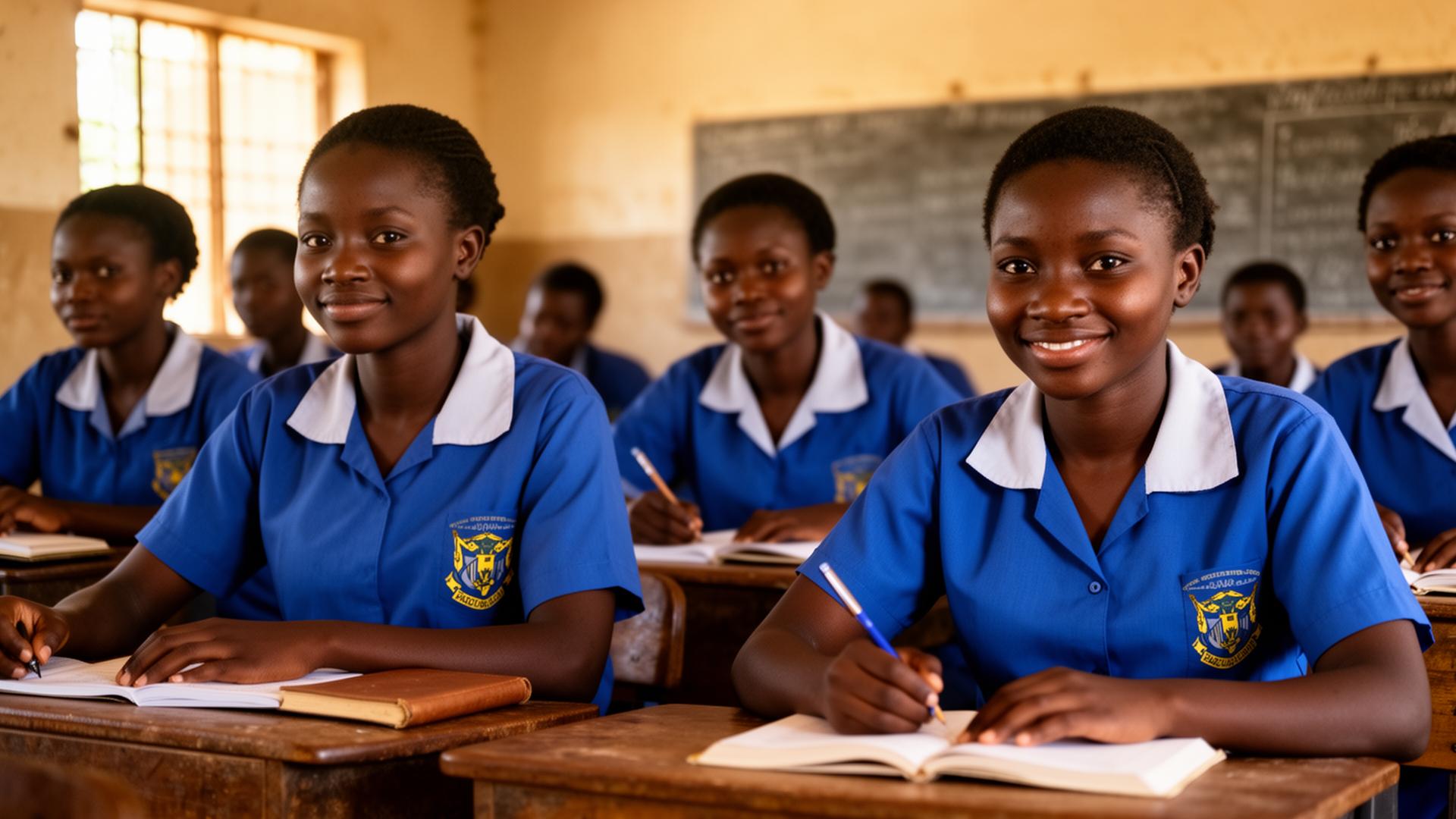
The case for girls' education in Africa is simultaneously a human rights argument, a development economics argument, and a practical policy argument. UNESCO estimates that each additional year of secondary schooling increases a woman's earnings by 10–20%. Educated mothers have fewer children, with better health outcomes. Countries with higher female education levels show stronger GDP growth and better health outcomes. The evidence is not marginal — it is overwhelming.
Why Girls Drop Out: The Evidence
Early and Forced Marriage
Child marriage remains the single largest driver of girls' education dropout in Sub-Saharan Africa. Approximately 40% of girls in the region are married before age 18. Once married, the vast majority leave school permanently. Countries with the highest rates of child marriage have the lowest girls' secondary enrollment rates.
Cost and Household Priority
When household resources are limited and a family must choose which children to educate, cultural norms in many African contexts still prioritize sons. School fees — even relatively small amounts — can be decisive. Programmes that eliminate fees for girls or provide conditional cash transfers have consistently shown strong enrollment effects.
Safety and Distance
Girls face higher safety risks than boys when walking long distances to school. In areas where the nearest secondary school is several kilometers away, girls' secondary enrollment drops sharply relative to boys.
Sanitation and Menstrual Hygiene
Research consistently shows that schools without adequate sanitation — particularly private, girl-only toilets — see higher rates of girls' absence during menstruation and higher dropout rates around puberty.
What Works: Evidence-Based Interventions
Conditional cash transfers
Providing families cash conditional on girls' school attendance has strong evidence across multiple African contexts.
Fee elimination for girls
Countries that have eliminated fees specifically for girls have seen enrollment increases. Rwanda's near-gender parity reflects consistent incentive policies.
Sanitation investment
Schools with adequate, private female sanitation show measurably lower dropout around puberty — one of the highest-return education investments.
Virtual schooling
For girls where safety, distance, or family restriction limits school attendance, accredited virtual schooling offers education that overcomes geographical and safety barriers. sunrisevirtualschool.com