
Homeschooling as a Working Parent in Africa: A Practical Guide
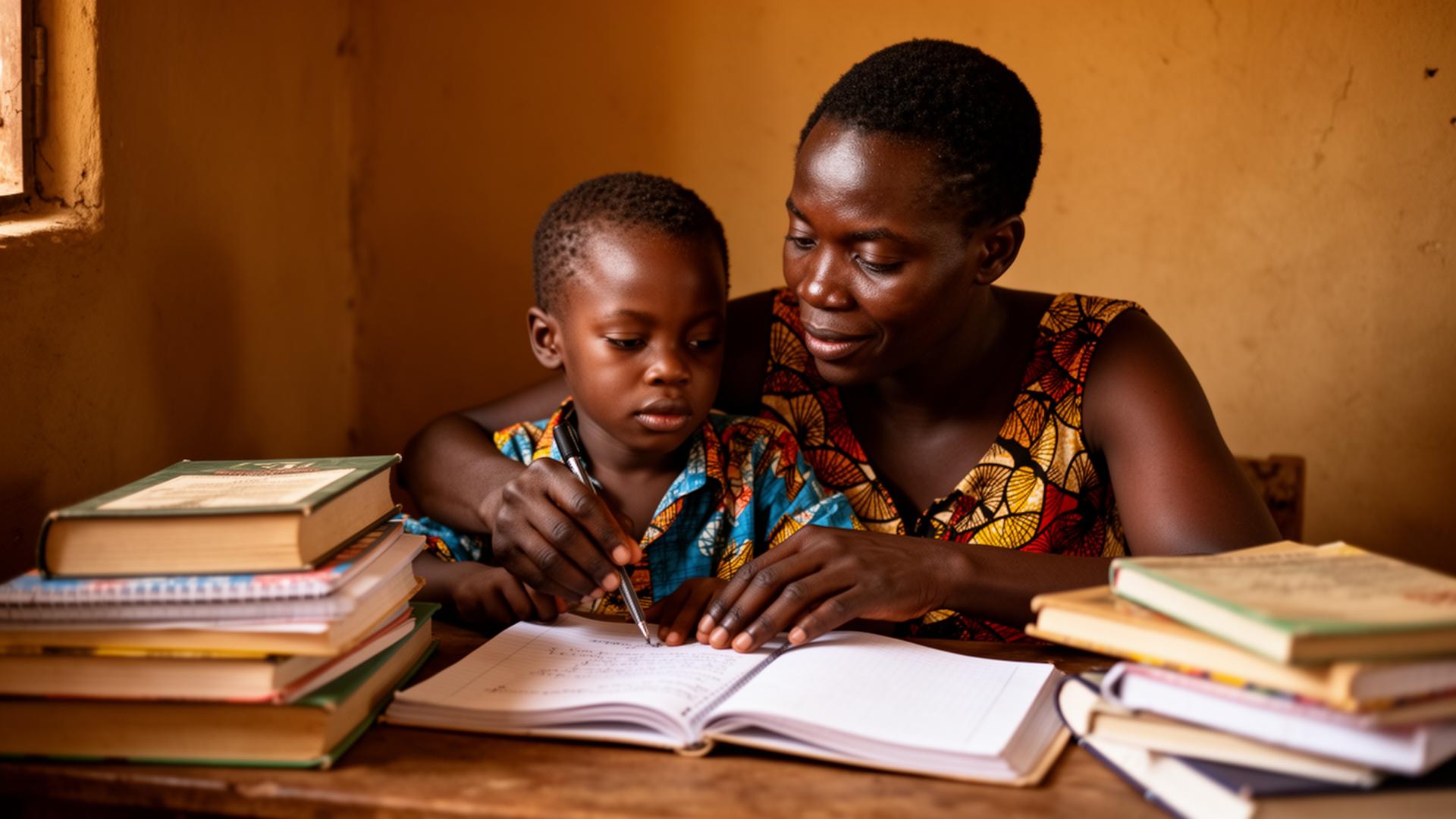
A practical, research-backed guide for working parents in Africa considering homeschooling — covering flexible models, support networks, costs and legal frameworks.
The image of homeschooling — a stay-at-home parent guiding a child through textbooks at the kitchen table — is increasingly outdated. Across Africa, a growing cohort of dual-income households, single parents, and remote-working professionals are combining full-time careers with structured home education. Is it genuinely feasible? The evidence suggests yes — but with important caveats about structure, support, and strategy.
340%Rise in home education inquiries in Kenya 2020–2024 68%Of African homeschoolers have at least one working parent 12+African countries with no legal prohibition on home education 40%Lower average cost vs private school in same regionWhy Working Parents Are Turning to Home Education
The motivations are diverse. For expatriate and frequently relocating families, constant school changes disrupt academic continuity. For families in areas with poor local school quality, homeschooling offers curriculum control. For children with learning differences, tailored pacing is a core appeal. And for many urban African families grappling with long commutes and school fees, the maths of flexible virtual schooling increasingly makes sense.
The COVID-19 pandemic fundamentally shifted perceptions. Millions of African families managed some form of home-based learning — and many discovered their children could thrive outside traditional classroom structures. That experience seeded a lasting cultural shift.
The Core Challenge: Time
The honest starting point is acknowledging what homeschooling actually requires. A well-structured home education programme for primary school children typically demands 3–5 hours of active learning per day. At secondary level, this rises to 5–7 hours. A parent working full-time cannot personally supervise all of that — nor do they need to.
The Three Working-Parent Models
1. Virtual School Enrollment: The child enrolls in an accredited online school with live teachers, structured timetables, and professional oversight. The parent's role is supervisory and motivational, not instructional. This is the most scalable model for full-time working parents.
2. Hybrid Homeschooling: A home educator (a relative, paid tutor, or co-op arrangement) delivers instruction during working hours. The parent reviews, reinforces, and manages curriculum direction evenings and weekends.
3. Self-Directed with Parental Anchoring: Older, motivated learners (typically 13+) manage their own schedules using structured online curricula, with parents functioning as mentors and progress monitors rather than teachers.
Legal Landscape Across Africa
The regulatory picture is uneven. South Africa has the most formalised framework — homeschooling is legal under the Schools Act, with registration requirements that vary by province. Kenya has no specific homeschooling legislation, but the Ministry of Education permits it provided children sit national examinations. Nigeria's position is similarly permissive in practice, though no national statute governs it. Tanzania and Uganda have historically been more restrictive, though enforcement is limited.
| Country | Legal Status | Registration Required | Exam Access |
|---|---|---|---|
| South Africa | Legal (regulated) | Yes, provincial | Full NSC access |
| Kenya | Permitted | Informal | KCPE/KCSE open |
| Nigeria | Permitted (unclear) | Not formalised | WAEC/NECO open |
| Ghana | Tolerated | None | WASSCE open |
| Rwanda | Grey area | Not required | Limited |
| Tanzania | Restricted | Difficult | Limited |
Curriculum Options for Working Parents
The curriculum decision is consequential — it shapes daily structure, exam pathways, and cost. For African working-parent families, three broad options dominate:
- Cambridge International (IGCSE/A-Level): Globally portable, university-recognised, available via multiple online schools. Strong for families anticipating international university applications.
- National Curricula (CBC in Kenya, CAPS in South Africa, NERDC in Nigeria): Ensures alignment with national exam systems and university entry requirements. Some online providers offer these remotely.
- Pearson Edexcel: UK-based, internationally recognised, often available through the same platforms as Cambridge — provides flexibility and a credible UK pathway.
Building a Support Structure
The most successful working-parent homeschoolers don't work alone. Support structures matter enormously.
Key insight: Research on homeschooling outcomes consistently finds that social connection — with peers, mentors, and co-learners — is as important as curriculum quality. Working parents should invest in co-op groups, online cohorts, and extracurricular programmes alongside academic provision.Co-operative Learning Groups
Homeschool co-ops — where several families share teaching responsibilities — are growing rapidly across Nairobi, Lagos, Cape Town, and Accra. One parent with expertise in science might teach a group of five children while another covers mathematics. This distributes the time burden and preserves vital peer interaction.
Professional Tutors and Learning Supervisors
In urban African markets, a growing cadre of qualified tutors offers flexible, hourly instruction in core subjects. The cost, while an additional overhead, is significantly less than private school fees in most cities. A Nairobi family paying KES 25,000–40,000/month for a primary school placement may find a combination of virtual school fees and part-time tutor support achievable at lower total cost.
Managing the Emotional Dimension
Working-parent homeschoolers frequently report guilt — the sense that they are not giving their child enough time. This is worth acknowledging honestly. Home education done poorly is worse than a decent conventional school. The quality of engagement matters more than quantity of hours. Thirty focused, connected minutes reviewing a child's learning in the evening can be more valuable than hours of passive co-presence.
Regular check-ins with the child about their experience — whether they feel supported, challenged, and socially connected — are non-negotiable. Children who feel isolated or under-stimulated will signal distress, and working parents must remain attentive to these signals.
Costs: A Realistic Breakdown
| Component | Monthly Cost (KES) | Monthly Cost (ZAR) | Monthly Cost (NGN) |
|---|---|---|---|
| Accredited virtual school | 3,000–8,000 | 800–2,500 | 15,000–40,000 |
| Supplementary tutoring (10 hrs) | 5,000–12,000 | 1,200–3,500 | 20,000–60,000 |
| Learning materials/tech | 1,000–2,500 | 300–700 | 5,000–15,000 |
| Co-op / extracurriculars | 1,500–4,000 | 400–1,000 | 8,000–20,000 |
| Total estimate | 10,500–26,500 | 2,700–7,700 | 48,000–135,000 |
Honest Verdict: Who Should and Shouldn't Consider This
Homeschooling may suit working parents when:
- Local school options are genuinely poor or unavailable
- The family relocates frequently (expats, diplomats, NGO workers)
- The child has specific learning needs the local school cannot meet
- At least one parent has flexible working hours or remote work capacity
- A strong support network (tutor, co-op, or extended family) is available
It may not suit when:
- Both parents work rigid 9-to-5 schedules with long commutes
- The child is highly social and struggles with self-directed learning
- No reliable broadband or device access exists at home
- The family cannot afford professional tutoring or online school fees
Conclusion
Homeschooling as a working parent in Africa is not a compromise — when done thoughtfully, it can be a genuine advantage. The combination of accredited virtual schooling, structured support, and engaged parental involvement is producing well-rounded, academically capable young people across the continent. But it requires honest self-assessment, financial planning, and a willingness to build community rather than go it alone.