
Supporting Children with Disabilities Through School in Africa: A Parent's Advocacy Guide
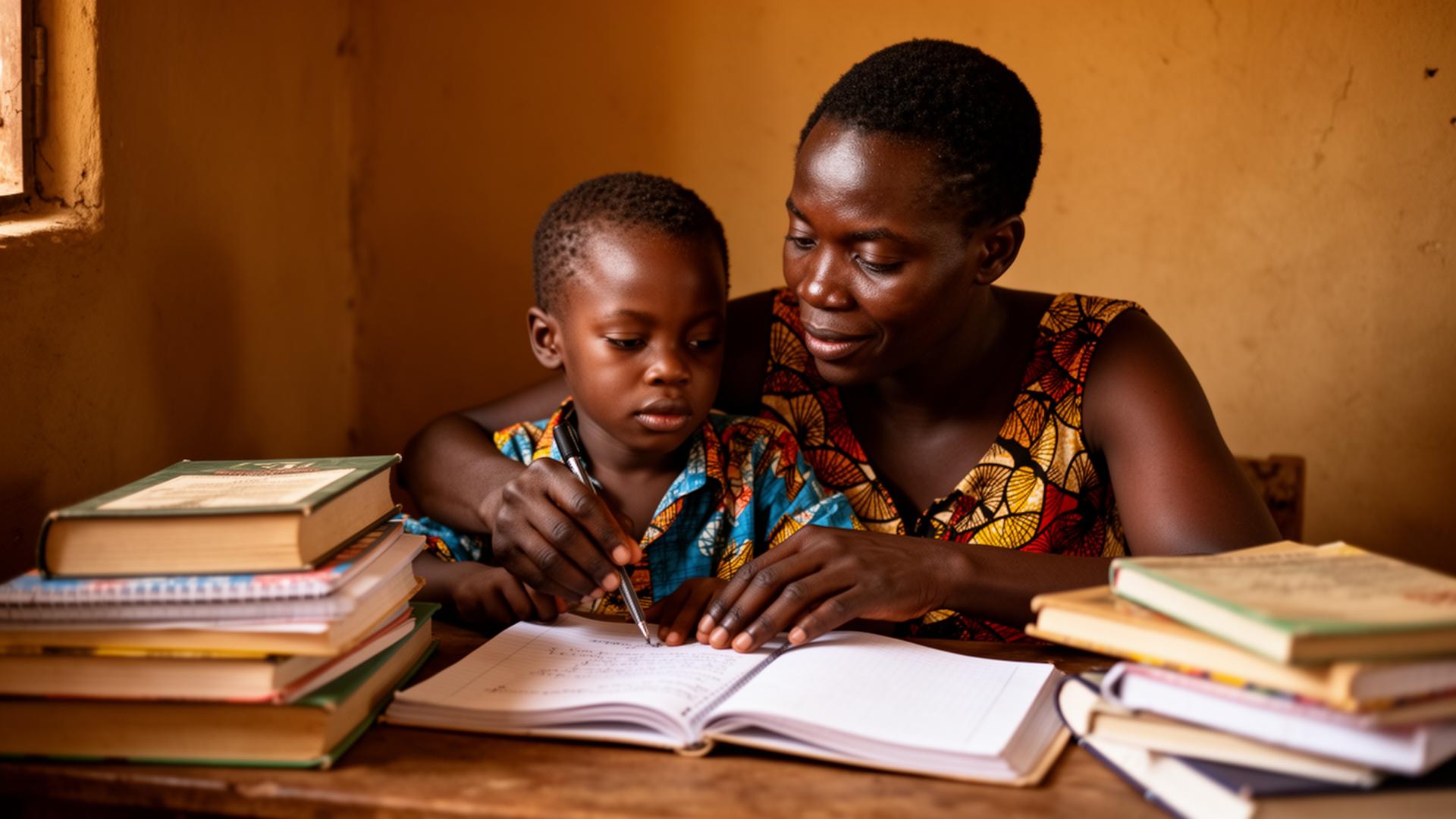
How parents can navigate education systems, access support, and advocate effectively for children with learning or physical disabilities in African contexts.
Raising a child with a disability in Africa presents unique challenges — and requires a level of parental advocacy that children in better-resourced contexts may receive from professional support systems. The gap between the inclusive education that international frameworks promise and the reality of most African school systems is significant. This guide is for parents navigating that gap — practical, honest, and rooted in African contexts rather than aspirational policy documents.
93MChildren in Africa with disabilities (WHO estimate) 50%+Of disabled children in Africa not in any schooling (UNICEF) SA, Kenya, EgyptMost developed inclusive education frameworks on the continent CRPD 2006UN Convention — most African states are signatories committing to inclusive educationThe Reality of Inclusive Education in Africa
The UN Convention on the Rights of Persons with Disabilities (CRPD), ratified by the majority of African states, commits signatories to inclusive education — the principle that children with disabilities should be educated alongside non-disabled peers in mainstream schools, with appropriate support. The gap between this commitment and classroom reality is, in most African contexts, vast. Most African schools lack trained specialist staff, adapted materials, physical accessibility infrastructure, or the class-size conditions that inclusive teaching requires. Honest acknowledgement of this gap does not abandon the inclusive education principle — it insists that the principle requires genuine investment, not verbal commitment.
Types of Disability and School Contexts
Physical and Sensory Disabilities
Children with physical disabilities face often straightforward but unaddressed physical access challenges — stairs without ramps, pit latrines inaccessible to wheelchair users, seating unsuitable for children with motor difficulties. In many cases, physical adaptations that would meaningfully improve access are simple and inexpensive — but require someone to request them and a school management willing to act. Children with visual or hearing impairments need specialist support: Braille materials or orientation and mobility training for blind children; sign language instruction for deaf children. Schools for the deaf and schools for the blind exist in most African capitals, though quality and capacity vary significantly.
Learning Differences
Dyslexia, ADHD, and other specific learning differences are significantly underidentified in African contexts — partly due to limited assessment capacity, partly due to cultural interpretations of behaviour and learning difficulty as laziness or stubbornness rather than neurological variation. Children whose learning differences go unidentified and unsupported are at high risk of educational failure and the psychological damage that repeated academic failure inflicts. For parents who suspect a learning difference: seek a formal assessment from a psychologist or educational therapist (available in most African cities, though expensive and concentrated in urban centres). A written assessment provides evidence for school accommodation requests and helps teachers understand how to adapt instruction.
Practical Advocacy: What Parents Can Do
Document Everything
Formal assessments, medical records, teacher reports, and written communication with schools constitute your advocacy evidence base. Request everything in writing; keep copies. Schools are far more responsive to documented, written requests than to verbal conversations that can be forgotten or misremembered.
Build Relationships, Not Confrontations
Teachers and school leaders who feel supported by parents in accommodating a child with disabilities will do more than those who feel accused of discrimination. Approach initially with information (about the child's specific needs) and solutions (specific, achievable accommodation requests) rather than complaints. Administrators respond better to parents who come with "here is what would help" than "here is what you are failing to provide."
Alternative Education Pathways
- Specialist schools (deaf schools, blind schools, schools for intellectual disabilities) — check accreditation and quality before enrolling
- Virtual schooling — highly effective for children with physical disabilities, anxiety, or conditions requiring medical flexibility. The home-based learning environment removes many physical barriers and allows more individualised teacher attention. Sunrise Virtual School accommodates students with a range of learning needs. Contact: sunrisevirtualschool.com | +254 704 007 008
- Home education with specialist tutoring — resource-intensive but allows fully individualised support
The Emotional Dimension
Parenting a child with a disability through an under-resourced school system is emotionally demanding. The advocacy work, repeated explanations to new teachers each year, and battles for accommodation can be exhausting. Connect with other parents in similar situations — disability parent networks exist in most African capitals and increasingly online. Shared experience and collective advocacy are more effective than individual effort, and peer support matters for parents as well as children.
Conclusion
Children with disabilities have the same right to quality education as any other child. Achieving that right in African contexts requires active, informed, persistent parental advocacy. The system as it currently exists does not automatically accommodate these children — it requires parents to understand what their child needs, to communicate that clearly to schools, and to know when a mainstream placement is genuinely serving the child and when a different option would serve them better. This is more work than should be required. But until systems improve — and they must — informed, empowered parental advocacy is the most important tool available.